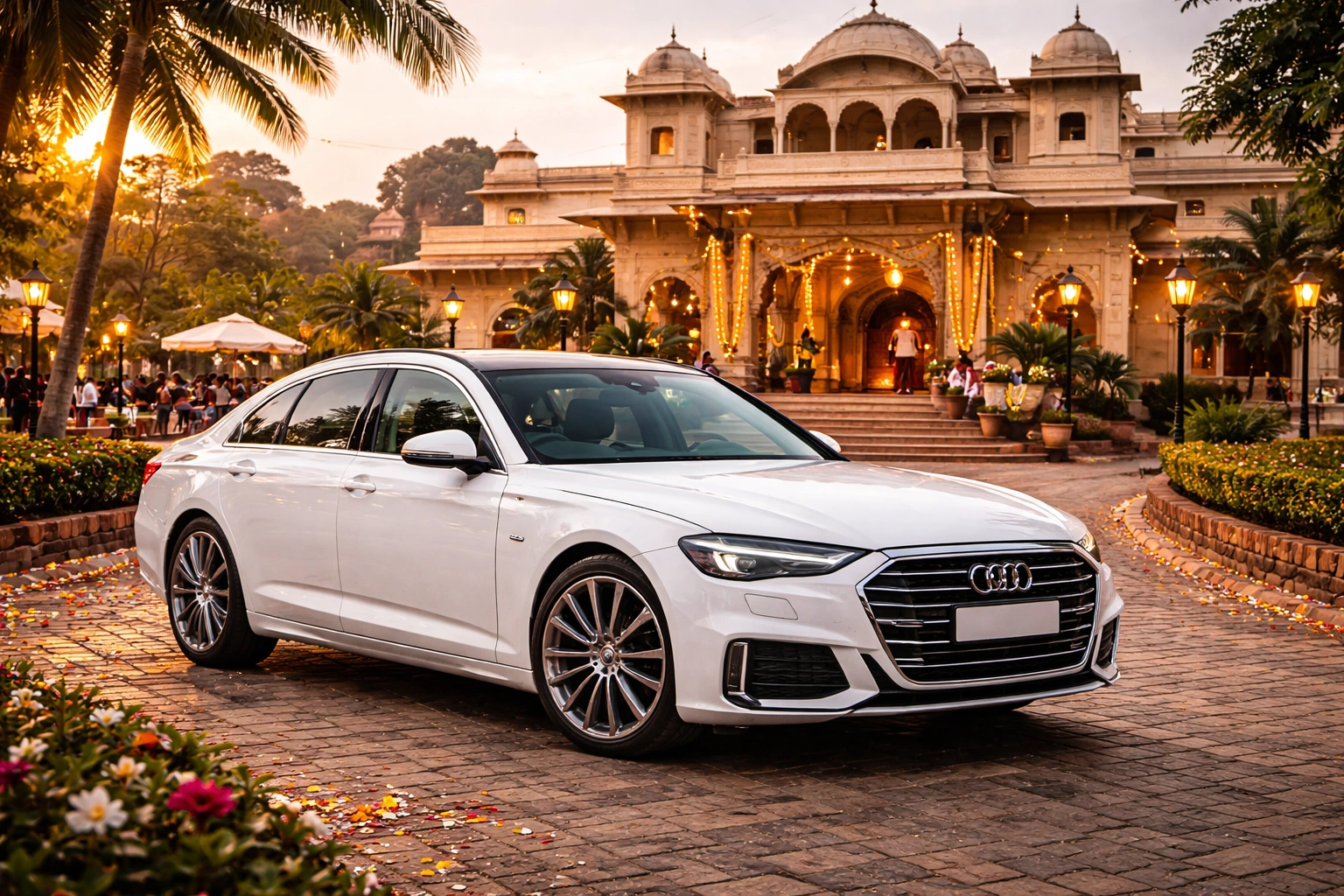
Programmatic: Luxury Car Rental in Tier-2 Cities India – Complete Guide
India’s transportation landscape is changing rapidly as economic growth spreads beyond traditional metropolitan cities. Tier-2 cities are now emerging as important business centers, attracting multinational companies, entrepreneurs, corporate travelers, and tourism activity. As these cities grow, the demand for premium services such as luxury car rentals has increased significantly.
Luxury car rental services are no longer limited to large cities like Delhi, Mumbai, or Bangalore. Many smaller cities are now seeing strong demand for executive transportation, airport transfers, Event & Wedding Transport, and VIP guest mobility. This growth has created new opportunities for car rental companies to expand services across India.
Renting a luxury vehicle allows travelers and professionals to experience comfort, style, and convenience without owning expensive cars. Customers can choose premium sedans, luxury SUVs, executive vans, or group transport vehicles depending on their needs. This flexibility makes luxury transportation accessible to businesses and travelers in Tier-2 cities.
This guide explores the growth of luxury car rental services in Tier-2 cities across India, the types of vehicles available, and how programmatic expansion is helping companies scale their transportation services across multiple locations.
Understanding Tier-2 Cities in India
Tier-2 cities are urban centers that are smaller than major metropolitan areas but are experiencing rapid economic growth and infrastructure development. These cities often have expanding industries, growing populations, improved transportation systems, and increasing investment from both government and private sectors.
Cities like Jaipur, Pune, Ahmedabad, Chandigarh, Indore, Kochi, and Lucknow are commonly classified as Tier-2 cities. These locations have become important business and tourism destinations over the past decade. As more companies expand into these cities, the need for professional transportation services continues to increase.
Many Tier-2 cities are also becoming hubs for education, IT services, manufacturing, and tourism. Business travelers frequently visit these cities for meetings, conferences, and corporate events. Reliable luxury transportation helps ensure smooth travel for executives and visiting clients.
The rapid development of airports, highways, and commercial infrastructure has also made it easier for travelers to reach these cities. As accessibility improves, the demand for premium travel experiences such as luxury chauffeur-driven vehicles continues to grow.
Why Luxury Car Rentals Are Growing in Tier-2 Cities
Several factors are contributing to the rapid growth of luxury car rental services in Tier-2 cities across India. One of the biggest drivers is business expansion. Many multinational companies and startups are opening offices in smaller cities due to lower operational costs and growing talent pools.
Corporate travel has increased significantly as executives regularly travel between cities for meetings, training sessions, and business events. Luxury car rentals provide a comfortable and professional travel option for these executives during their visits.
Another major factor is the rise of destination weddings and luxury events. Cities like Jaipur and Udaipur have become popular wedding destinations where couples organize grand celebrations in heritage palaces and luxury resorts. Premium vehicles are often required for bride and groom entries, guest transportation, and VIP arrivals.
Tourism growth also plays a significant role in driving demand for luxury transportation. Travelers exploring historical sites, resorts, and cultural attractions prefer comfortable vehicles with experienced drivers to enhance their travel experience.
Programmatic Expansion of Luxury Car Rental Services
Programmatic expansion refers to the strategy of offering services across multiple cities using scalable operations and digital platforms. Car rental companies are now expanding their services across Tier-2 cities using technology and centralized fleet management systems.
Through programmatic growth, companies can offer luxury car rental services in multiple cities without building completely separate operations in each location. This approach allows businesses to serve customers across regions more efficiently.
Online booking platforms have also made it easier for customers to access luxury transportation services. Travelers can now book vehicles online for airport transfers, city tours, corporate travel, or events in different cities across India.
Programmatic strategies also allow companies to optimize vehicle allocation, driver availability, and pricing across different locations. This helps ensure consistent service quality and efficient fleet utilization.
Luxury Vehicles Available in Tier-2 Cities
Luxury car rental services in Tier-2 cities offer a wide variety of vehicles designed to meet the needs of different types of travelers. These vehicles range from premium sedans and luxury SUVs to executive vans and large group transportation options.
Premium sedans are widely used for executive travel and corporate transportation. Vehicles such as Mercedes S-Class, Mercedes E-Class, and Toyota Camry provide exceptional comfort, spacious interiors, and advanced technology features. These vehicles are ideal for business meetings and airport transfers.
Luxury SUVs are another popular option for travelers who require additional space and road presence. Vehicles such as Mercedes GLS, Mercedes GLE, Fortuner, and Hycross are commonly used for VIP transportation and long-distance travel.
Executive vans and group vehicles are also available for corporate teams and large events. Vehicles like Toyota Coaster, Urbania, and larger coaches allow companies to transport multiple passengers comfortably during conferences or corporate tours.
Corporate Travel and Executive Transportation
Corporate travel is one of the biggest contributors to the demand for luxury car rentals in Tier-2 cities. Business professionals often travel between offices, hotels, conference centers, and airports throughout their work schedule.
Luxury vehicles provide a comfortable environment where executives can prepare for meetings, attend calls, or review presentations during travel. This productivity during transit is one reason many companies prefer chauffeur-driven vehicles.
Companies also use luxury transportation services for airport pickups and drop-offs for international clients and senior executives. Providing premium vehicles helps businesses create a professional impression and maintain strong client relationships.
Corporate transportation services also help organizations avoid the cost of maintaining their own vehicle fleets. Renting vehicles when needed provides flexibility and ensures reliable travel for executives.
Luxury Transportation for Weddings and Events
Destination weddings have become a major industry in many Tier-2 cities across India. Locations such as Jaipur, Udaipur, and Jodhpur are famous for hosting grand wedding celebrations in historic palaces and luxury resorts.
Luxury vehicles are often used for bride and groom entries, guest transportation, and special event logistics. Premium cars add elegance and visual appeal to wedding celebrations and are frequently featured in wedding photography and videos.
Event planners also rent luxury vehicles for celebrity appearances, music concerts, corporate events, and private celebrations. Providing premium transportation enhances the experience for guests and participants.
Luxury vehicles also help event organizers manage transportation efficiently when large numbers of guests need to move between hotels, venues, and airports.
Tourism and Luxury Travel Experiences
Tourism continues to drive strong demand for luxury car rentals in Tier-2 cities. Many travelers visiting heritage destinations prefer chauffeur-driven vehicles that provide comfort and local expertise.
Luxury transportation allows tourists to explore cities and nearby attractions without worrying about navigation or traffic conditions. Professional drivers help visitors travel safely while providing local knowledge about the destination.
Families and couples traveling to destinations such as hill stations, beaches, or historical cities often prefer luxury SUVs or premium sedans for their journeys. These vehicles provide comfort during long road trips.
International travelers especially appreciate premium transportation services that provide reliability, safety, and high service standards during their visit to India.
Benefits of Luxury Car Rental Services
Luxury car rental services offer several advantages for both business and leisure travelers. One of the most important benefits is convenience. Customers can easily book premium vehicles without the responsibility of owning or maintaining them.
Another benefit is flexibility. Travelers can choose from hourly rentals, full-day bookings, airport transfers, or long-term corporate contracts depending on their needs. This flexibility allows businesses and individuals to manage transportation efficiently.
Luxury vehicles also provide advanced safety features, comfortable seating, and professional chauffeur services. These factors significantly improve the travel experience for passengers.
Additionally, renting luxury vehicles helps businesses create a strong professional image when hosting executives, investors, or international clients.
Future of Luxury Car Rental in Tier-2 Cities
The future of luxury car rental services in Tier-2 cities looks very promising as economic growth continues across India. Infrastructure improvements, expanding airports, and increasing tourism will further drive demand for premium transportation services.
Electric vehicles and sustainable mobility solutions are also expected to play an important role in the future of corporate transportation. Many companies are already exploring eco-friendly vehicle options for executive travel.
Digital booking platforms and mobile applications will make it easier for customers to access luxury transportation services in different cities. Programmatic expansion strategies will allow companies to serve more locations efficiently.
As Tier-2 cities continue to develop, luxury transportation services will become an essential part of their urban mobility ecosystem.
Contact Us for Luxury Car Rental Services
If you are looking for luxury car rental services in Tier-2 cities across India, professional transportation providers offer a wide range of premium vehicles suitable for business travel, weddings, tourism, and VIP transportation.
Experienced chauffeurs, well-maintained vehicles, and flexible rental options ensure that customers receive reliable and comfortable travel services. Whether you need transportation for executives, wedding guests, or tourists, luxury vehicles can provide the perfect solution.
Many car rental companies also offer customized travel packages for corporate clients and event planners. These services help organizations manage transportation efficiently during large events and conferences.
Contact our team today to arrange luxury car rental services and experience premium travel designed for comfort, professionalism, and convenience.
Phone: +91 9167977799 Email: info@rnk.com Website: www.rnk.com
FAQs – Luxury Car Rental in Tier-2 Cities India
What are Tier-2 cities in India?
Tier-2 cities are developing urban centers that are smaller than major metropolitan cities but are experiencing rapid economic growth. Cities such as Jaipur, Pune, Ahmedabad, and Chandigarh fall into this category. These cities are becoming important business and tourism destinations.
Why is luxury car rental demand increasing in Tier-2 cities?
Luxury car rental demand is increasing because of corporate expansion, tourism growth, and destination weddings in these cities. As more professionals and travelers visit Tier-2 locations, premium transportation services are becoming more important.
Which vehicles are commonly used for luxury car rental services?
Luxury car rental companies offer a variety of vehicles including premium sedans, luxury SUVs, executive vans, and group transport vehicles. These vehicles are used for corporate travel, weddings, airport transfers, and tourism depending on customer needs.
Can luxury cars be rented for corporate travel in Tier-2 cities?
Yes, many companies provide executive transportation services for corporate travel. Businesses often rent luxury vehicles for airport transfers, business meetings, conferences, and VIP guest transportation.