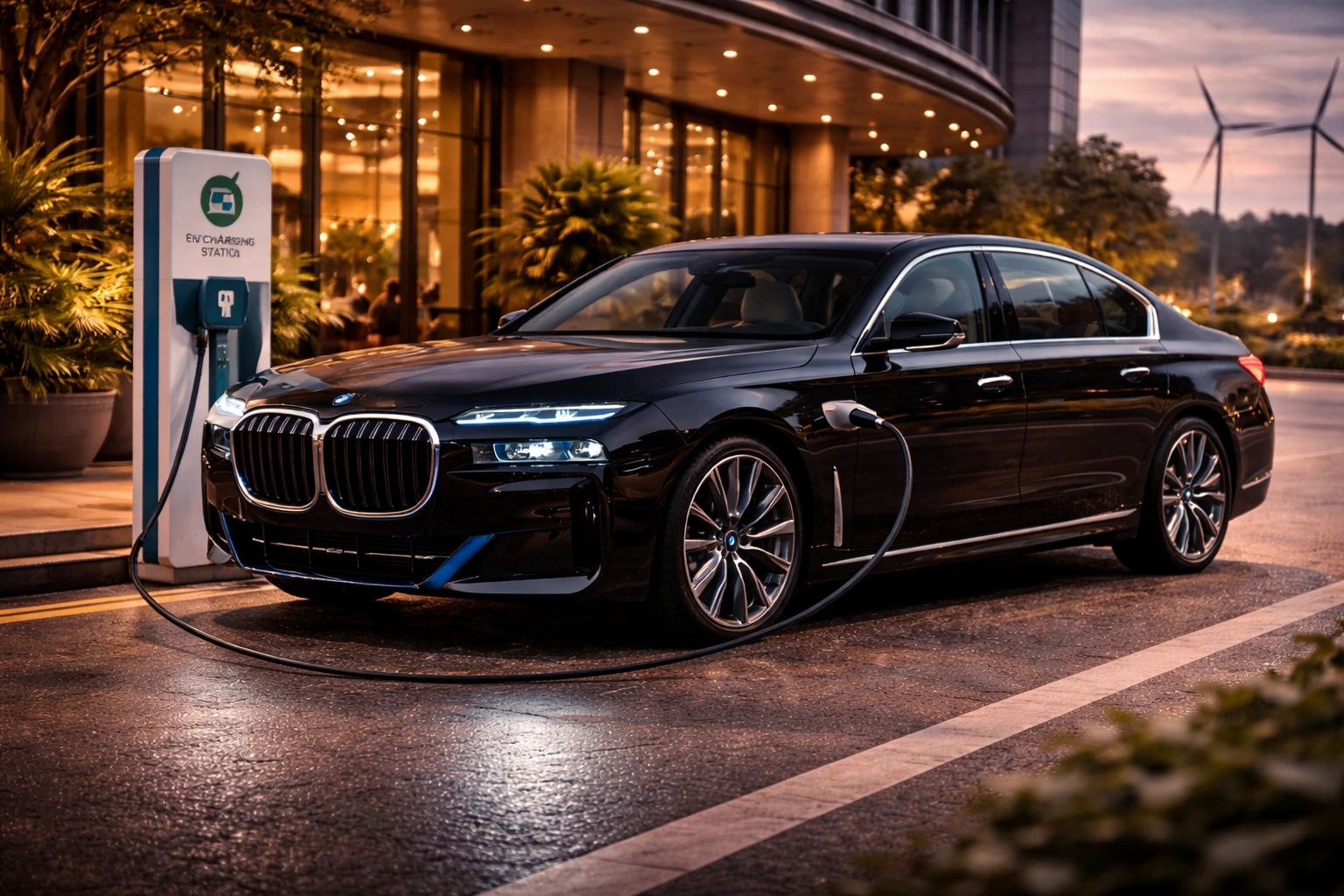
Is Luxury Mobility in India Becoming Sustainable?
Luxury mobility in India has traditionally been associated with powerful sedans and large SUVs powered by diesel engines. These vehicles have long symbolised prestige, comfort, and reliability for corporate travel, weddings, and VIP transportation.
However, the luxury mobility industry is gradually evolving as environmental awareness becomes more prominent. Travelers today are increasingly conscious about carbon emissions and responsible transportation choices.
Government initiatives encouraging electric vehicles, along with corporate sustainability commitments, are also influencing how luxury transportation services operate.
Premium mobility providers are therefore exploring cleaner alternatives without compromising service quality or passenger comfort.
Clear Answer
Sustainable luxury mobility trends in India include the adoption of electric luxury sedans, hybrid SUVs, eco-friendly chauffeur practices, ESG-driven corporate travel policies, fleet efficiency management, and route optimisation strategies. These initiatives help reduce emissions while maintaining the comfort and reliability expected from premium transport services.
Luxury mobility in India is therefore gradually transitioning toward sustainability.
Growth of Electric Luxury Sedans
Electric vehicles are becoming an important part of the luxury mobility landscape in India.
Premium electric models such as high-end executive sedans are now being introduced into chauffeur-driven fleets in major cities. These vehicles offer smooth acceleration, silent operation, and zero tailpipe emissions.
For short‑distance executive travel, airport transfers, and hotel transportation, electric luxury cars in India are becoming increasingly practical.
Cities like Mumbai, Delhi, Bengaluru, and Hyderabad are seeing early adoption of electric chauffeur vehicles.
Passengers also appreciate the quiet driving experience, which enhances comfort during business travel.
However, EV adoption still requires careful planning because charging infrastructure is still developing in many regions.
Luxury EV mobility works best when routes are planned carefully.
Hybrid Luxury SUVs as a Practical Transition
While fully electric vehicles represent the long‑term future, hybrid technology currently plays an important role in sustainable luxury mobility.
Hybrid luxury SUVs combine traditional engines with electric assistance, allowing improved fuel efficiency without sacrificing range.
This makes hybrid vehicles highly suitable for long‑distance chauffeur travel benefits and intercity corporate journeys.
Hybrid systems automatically switch between electric and fuel power depending on driving conditions, reducing fuel consumption in city traffic.
Luxury transport providers often consider hybrids a practical transition stage before full EV adoption becomes widespread.
This balanced approach allows operators to reduce emissions while maintaining operational flexibility.
Corporate ESG Policies Driving Sustainable Travel
Corporate sustainability commitments are becoming a major driver of sustainable luxury mobility.
Many multinational companies operating in India now follow Environmental, Social, and Governance (ESG) policies that prioritise environmentally responsible travel solutions.
Corporate travel planners are increasingly requesting electric or hybrid vehicles for executive transportation.
As a result, eco‑friendly corporate travel in India is becoming a growing segment of the premium mobility market.
Luxury transport providers are gradually adapting their fleets to meet these expectations.
Sustainable travel is therefore becoming part of corporate governance strategies.
Route Optimisation and Reduced Idling
Sustainability in luxury mobility does not depend only on the type of vehicle used.
Operational efficiency plays an equally important role in reducing environmental impact.
Route optimisation technology helps identify the most efficient travel paths, reducing unnecessary driving distance.
When drivers follow optimised routes, vehicles spend less time in traffic and consume less fuel.
Reducing idle time outside hotels, airports, and event venues also contributes significantly to lower emissions.
Small operational improvements can create meaningful environmental benefits.
Integration with Sustainable Hospitality
Luxury mobility increasingly works in coordination with the hospitality industry.
Many premium hotels across India are now installing electric vehicle charging stations for guests.
This development supports the expansion of electric chauffeur car services in India.
When chauffeur fleets coordinate with hotels offering EV charging infrastructure, electric vehicles become much more practical for daily operations.
This partnership between transport providers and hospitality brands creates a more sustainable travel ecosystem.
Infrastructure collaboration is therefore an important step toward greener luxury mobility.
Eco‑Driving Training for Chauffeurs
Driver behaviour has a direct influence on fuel consumption and environmental impact.
Professional chauffeur services are therefore introducing eco‑driving training programs for drivers.
Eco‑driving involves techniques such as gradual acceleration, smooth braking, and maintaining consistent cruising speeds.
These driving habits significantly reduce fuel consumption and emissions.
Passengers also benefit from smoother and more comfortable rides.
Sustainable luxury mobility therefore depends not only on vehicles but also on responsible driving practices.
Growing Awareness Among High‑Net‑Worth Travelers
High‑net‑worth individuals and international travelers are increasingly aware of environmental sustainability.
Many premium travelers now request electric vehicles for city transportation when available.
However, reliability and practicality still remain important considerations.
For long‑distance travel or remote destinations, hybrid or conventional luxury vehicles are often preferred.
This flexible approach allows travelers to choose sustainable options where possible while maintaining comfort and reliability.
Environmental awareness among luxury travelers is gradually shaping mobility preferences.
Challenges to Sustainable Luxury Mobility in India
Despite encouraging progress, several challenges still affect the widespread adoption of sustainable luxury mobility.
Charging infrastructure for electric vehicles remains uneven across different regions of India.
While major metropolitan cities offer improving EV infrastructure, many highways and remote destinations still lack sufficient charging stations.
Battery replacement costs and long charging times can also affect fleet operations.
These challenges require careful planning from luxury transport providers.
Sustainable mobility transition will therefore happen gradually rather than instantly.
Future Outlook for Sustainable Luxury Mobility
The future of sustainable luxury mobility in India looks promising as technology and infrastructure continue to evolve.
Electric vehicles are expected to become more common in metropolitan areas over the next decade.
Hybrid vehicles will likely remain an important transitional solution for long‑distance travel.
Government incentives and rising fuel prices will also encourage greater adoption of cleaner mobility solutions.
Luxury transport companies will continue balancing sustainability with reliability and passenger comfort.
In the coming years, environmental responsibility will become an integral part of premium mobility services.
Benefits of Sustainable Premium Transport
Sustainable luxury mobility offers several long‑term benefits for both travelers and service providers.
Reduced emissions contribute to improved air quality in major cities.
Electric vehicles also produce less noise pollution, creating a calmer travel experience for passengers.
Luxury EV fleets can help companies meet their corporate sustainability targets.
In addition, sustainable transport solutions strengthen brand reputation among environmentally conscious clients.
Responsible mobility is therefore becoming an important differentiator in the luxury travel industry.
Frequently Asked Questions
Are electric luxury cars practical for travel in India?
Ans:Yes. Electric luxury vehicles are particularly suitable for city travel and airport transfers where charging infrastructure is available.
Are hybrid SUVs good for long‑distance journeys?
Ans:Yes. Hybrid SUVs offer improved fuel efficiency while maintaining the long driving range required for intercity travel.
Do corporations prefer sustainable mobility options?
Ans:Yes. Many companies now prioritise sustainable transportation to align with ESG reporting standards.
Is EV charging infrastructure improving in India?
Ans:Yes. Charging networks are expanding rapidly in metropolitan areas and along major highways.
Can driving style influence fuel consumption?
Ans:Yes. Eco‑driving techniques significantly reduce fuel consumption and environmental impact.
Conclusion
Sustainable luxury mobility in India is gradually transforming how premium transportation services operate.
Electric luxury sedans, hybrid SUVs, eco‑driving practices, and improved operational efficiency are helping reduce environmental impact without sacrificing comfort or reliability.
Corporate ESG policies and increasing traveler awareness are also encouraging the adoption of environmentally responsible mobility solutions.
Although challenges such as charging infrastructure still exist, the industry is steadily moving toward cleaner transportation technologies.
In the coming years, luxury mobility will be defined not only by comfort and prestige but also by environmental responsibility.
Premium ground transport in India will therefore combine elegance, efficiency, and sustainability to create the next generation of refined travel experiences.
📞 Call us: +91 9167977799
✉️ Write to us: info@rnk.com