Rethinking Car Ownership
For decades, owning a car has been considered a symbol of independence and personal convenience. In many cities, a privately owned vehicle represented stability, status, and the ability to travel freely without relying on public transportation. However, the way people think about mobility is gradually changing, especially in large urban areas where lifestyle patterns, traffic congestion, and rising ownership costs have altered the traditional equation.
Modern urban professionals are beginning to question whether car ownership truly delivers the convenience it once promised. In cities with dense traffic and limited parking space, owning a vehicle often introduces additional responsibilities rather than simplifying transportation. Many car owners spend considerable time managing servicing appointments, insurance renewals, parking arrangements, and periodic repairs.
In addition to operational responsibilities, vehicle depreciation significantly affects the financial side of ownership. A new car begins losing value almost immediately after purchase, and resale prices rarely reflect the total investment made over time. When loan interest, insurance premiums, maintenance costs, and fuel expenses are combined, the long-term cost of owning a vehicle can become substantially higher than expected.
These changing realities have encouraged individuals and organizations to explore alternative transportation models. Instead of committing to long-term vehicle ownership, many people now prefer flexible mobility solutions that allow them to access vehicles when needed without the burden of maintaining them.
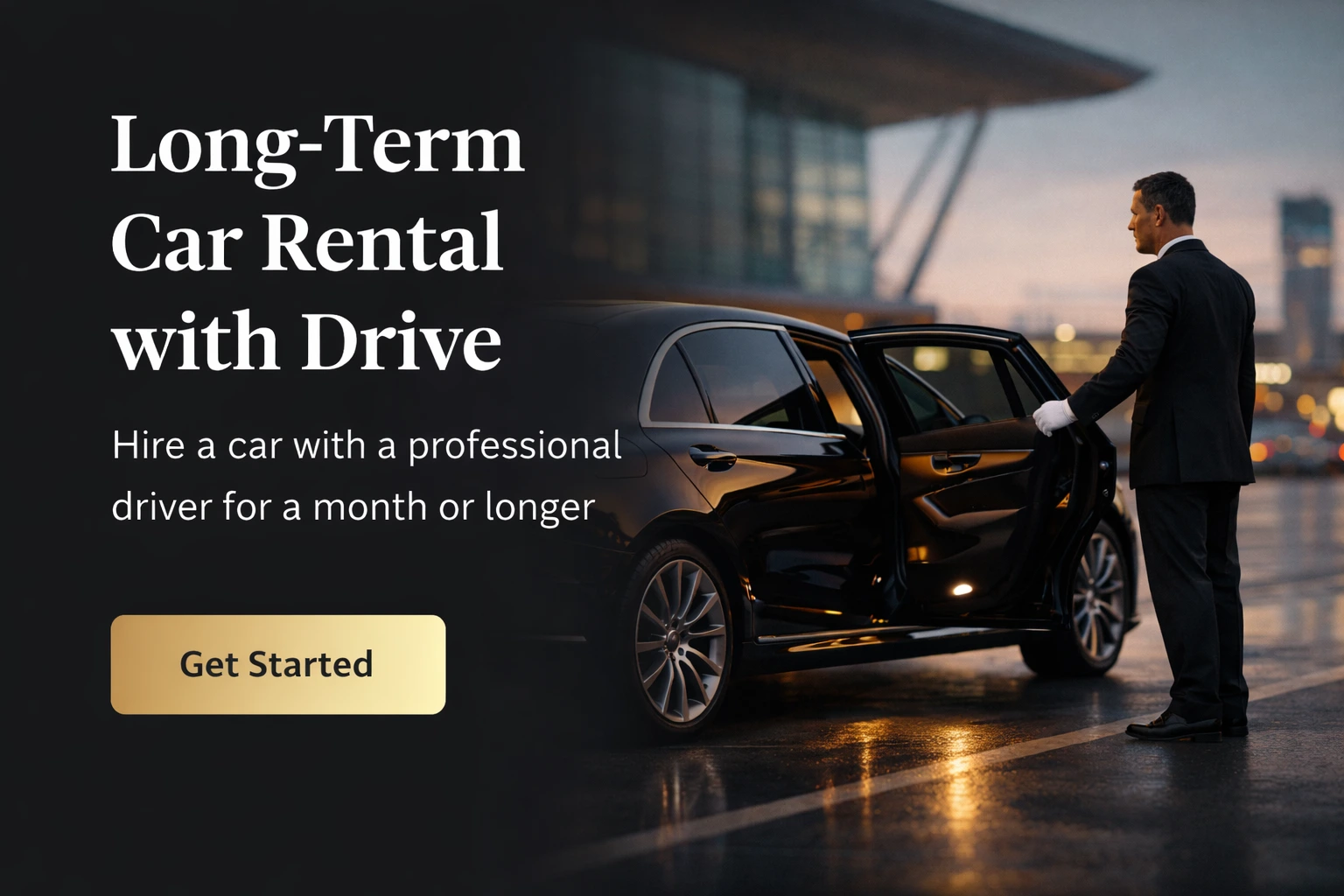
[Long-term chauffeur-driven car rental services(https://www.rnk.com/services/long-term-car-rental/)] represent one of the most practical alternatives to traditional ownership. In this model, users receive access to a professionally maintained vehicle along with an experienced driver under a structured monthly arrangement. The user benefits from reliable transportation without managing the responsibilities associated with owning a vehicle.
This shift represents a broader transformation in how mobility is perceived. Instead of viewing transportation as a personal asset that must be owned, more individuals are beginning to see it as a service that can be accessed conveniently when required.
Key Benefits of Long-Term Rental
Long-term car rental plans are designed to simplify everyday transportation while reducing the operational complexity associated with vehicle ownership. These arrangements allow users to focus entirely on travel needs while the service provider manages the technical and administrative aspects of vehicle management.
One of the most significant advantages of long-term rental is the elimination of maintenance concerns. Vehicles used in professional rental fleets undergo regular inspections and scheduled servicing to ensure consistent performance and reliability. When a vehicle requires maintenance, the rental provider manages the process without disrupting the customer’s travel schedule. This removes the need for users to coordinate service appointments or handle unexpected mechanical issues.
Another important benefit is predictable budgeting. Vehicle ownership often involves fluctuating expenses such as repair costs, insurance renewals, and spare part replacements. Long-term rental plans typically operate under fixed monthly pricing structures, allowing individuals and organizations to manage transportation expenses more accurately. This predictability becomes especially valuable for businesses that need to maintain consistent operational budgets.
Many long-term rental programs also include professional chauffeur services. Having an experienced driver significantly improves the travel experience by reducing stress associated with traffic navigation, parking, and route planning. Professional chauffeurs are familiar with city traffic patterns and often know the most efficient routes to reach destinations on time. Their disciplined driving habits also contribute to passenger comfort and safety.
Another key advantage is flexibility in vehicle selection. When personal circumstances or travel requirements change, rental providers can often adjust the vehicle category accordingly. For example, an executive using a Mercedes S-Class luxury sedan for daily office travel may upgrade to a larger SUV. This level of flexibility is difficult to achieve with privately owned vehicles, which require selling or replacing the car when needs change.
By combining convenience, professional service, and financial predictability, long-term rentals provide a practical transportation solution for modern lifestyles.
Cost Efficiency Compared to Ownership
The financial comparison between vehicle ownership and long-term rental often reveals surprising insights. While purchasing a vehicle appears straightforward at first, the long-term expenses associated with ownership can accumulate significantly over time.
Depreciation represents one of the largest hidden costs of owning a car. A vehicle typically loses a substantial portion of its value during the first few years of ownership. Even well-maintained cars rarely retain their original purchase value, and resale prices depend heavily on market demand, vehicle condition, and mileage.
In addition to depreciation, owners must manage ongoing maintenance expenses. Regular servicing, brake replacements, tyre changes, and mechanical repairs gradually increase the overall cost of keeping a vehicle operational. Insurance premiums must also be renewed annually, and premium vehicles often carry higher insurance costs.
Parking is another factor that affects urban vehicle ownership. In many cities, secure parking spaces are limited and may require additional monthly fees or long-term arrangements. For apartment residents or professionals working in central business districts, parking availability can become a daily challenge.
Long-term rental arrangements eliminate many of these financial uncertainties. Instead of absorbing multiple unpredictable expenses, users typically pay a structured monthly fee that covers vehicle access and driver services. The rental provider remains responsible for maintenance, insurance management, and operational reliability.
For corporate organizations managing transportation for executives or employees, this model can significantly simplify logistics. Companies no longer need to invest capital in purchasing vehicles or managing a fleet. Instead, they can rely on rental providers to supply professionally maintained vehicles according to operational requirements.
This structured approach often leads to better cost control and reduced administrative effort.
Who Should Opt for Long-Term Rental?
Long-term chauffeur-driven car rentals are particularly beneficial for individuals whose transportation needs extend beyond occasional travel but do not justify full vehicle ownership.
Corporate executives frequently rely on long-term rentals for daily office commutes and business travel. Having a dedicated vehicle and driver ensures punctual arrivals at meetings, conferences, and airport transfers. Executives can also use travel time productively by preparing for meetings, making phone calls, or reviewing documents during the journey.
Expats living in India for extended work assignments often find long-term rentals more convenient than purchasing a vehicle temporarily. Buying a car for a limited stay may involve registration formalities, resale uncertainties, and insurance complications. Renting a chauffeur-driven vehicle allows expatriates to access reliable transportation without dealing with administrative procedures.
Project-based employees and consultants working in a city for several months may also benefit from this arrangement. Instead of relying on taxis or ride-hailing services for daily travel, they can access a consistent vehicle and driver who understands their schedule and travel patterns.
Families relocating temporarily for education, work, or personal commitments may also find long-term rentals practical. During transitional periods when purchasing a vehicle may not be necessary, rental services provide dependable mobility without long-term financial commitments.
These diverse use cases demonstrate how flexible transportation services can adapt to modern mobility needs.
Flexibility for Changing Mobility Needs
One of the strongest advantages of long-term rental services is their adaptability. Transportation requirements often change over time, and rigid ownership models may not always accommodate these changes easily.
For example, a professional who initially requires a compact executive sedan for daily commuting may later need a larger vehicle for family travel. With traditional ownership, upgrading to a different vehicle involves selling the existing car and purchasing a new one. This process can be time-consuming and financially inefficient.
Rental arrangements allow users to adjust vehicle categories more easily. Depending on availability and revised agreements, providers may offer different vehicle options during the rental period. This flexibility allows customers to match their transportation resources to their evolving needs.
Companies also benefit from this adaptability when managing corporate mobility programs. If employee transportation requirements increase during peak project periods, rental providers can often scale vehicle availability accordingly.
Such flexibility ensures that mobility solutions remain aligned with changing lifestyle and business requirements.
Reliability Through Professional Service
Reliability is a key factor in transportation services, especially when vehicles are used for professional travel or important personal commitments. Professional rental providers prioritize reliability by maintaining vehicles through scheduled inspections and servicing routines.
Before vehicles are deployed for daily use, they typically undergo mechanical checks that verify tyre condition, braking systems, fluid levels, and overall roadworthiness. These preventive maintenance practices reduce the likelihood of unexpected breakdowns during journeys.
Professional chauffeurs also contribute significantly to service reliability. Drivers employed by reputable rental companies are trained to maintain punctuality, follow safe driving practices, and communicate effectively with passengers. Their familiarity with city routes and traffic patterns helps minimize travel delays.
For corporate travelers who rely on timely transportation to attend meetings, conferences, or airport transfers, dependable mobility becomes essential. Rental services designed around professional operations ensure that transportation remains consistent and predictable.
This structured service environment distinguishes long-term rental programs from informal transportation arrangements.
Frequently Asked Questions
Q1. Is long-term car rental cheaper than owning a car?
In many cases, yes. When depreciation, maintenance, insurance, and administrative costs are considered, long-term rentals can provide better cost predictability and operational simplicity.
Q2. Are chauffeurs included in long-term rental plans?
Most long-term rental services include professional chauffeur support as part of the package. This improves convenience and ensures consistent travel reliability.
Q3. Can the vehicle be upgraded during the rental period?
Many rental providers allow vehicle upgrades depending on availability and revised contract terms.
Q4. Who benefits most from long-term rentals?
Corporate executives, expatriates, consultants working on temporary assignments, and families needing extended transportation flexibility often benefit the most.
Q5. Is vehicle maintenance included in the rental plan?
Yes. Maintenance, servicing, and vehicle inspections are typically handled entirely by the rental operator.
Conclusion
Long-term chauffeur-driven car rental services offer a modern alternative to traditional vehicle ownership. By shifting the focus from asset ownership to mobility convenience, this model removes many of the operational and financial challenges associated with maintaining a personal vehicle.
For professionals, expatriates, and families who require reliable transportation without long-term ownership commitments, rental services provide an efficient and flexible solution. With predictable costs, professional driver support, and well-maintained vehicles, long-term rentals simplify everyday travel while maintaining a premium experience.
As urban mobility continues evolving, service-based transportation models are likely to play an increasingly important role in how people access reliable travel options. Long-term rental arrangements represent a practical step toward that future, combining convenience, flexibility, and professional service into a single mobility solution.
📞 Call us: +91 9167977799 ✉️ Write to us: info@rnk.com