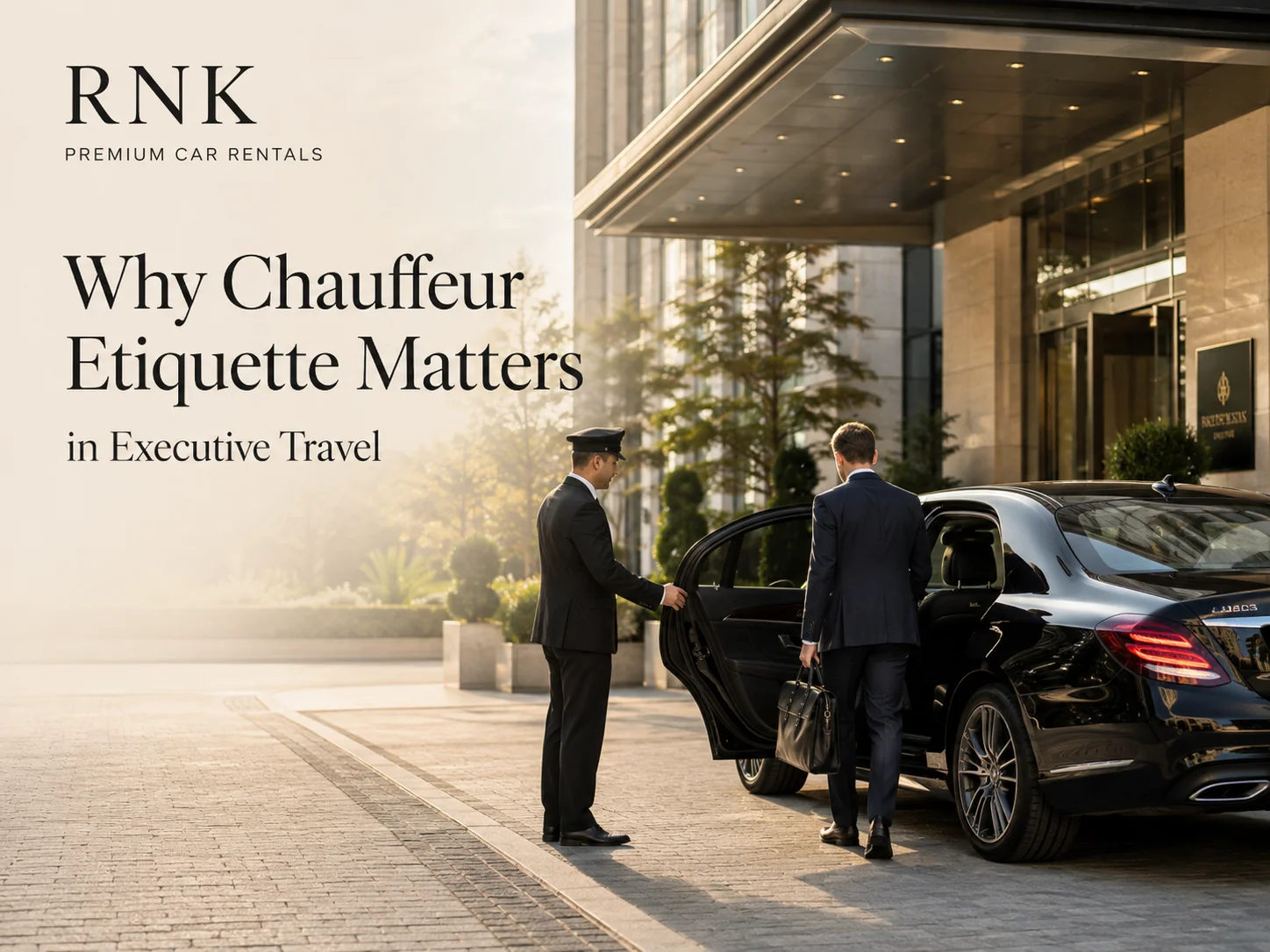
A luxury vehicle can be perfectly maintained, immaculately clean, and exactly the right model for the occasion — and the experience can still fall flat if the person behind the wheel doesn't understand the unwritten rules of executive travel. Chauffeur etiquette rarely gets the attention that vehicle choice or route planning does, but it's often the single biggest factor in whether an executive travel experience actually feels premium, or just feels like a nicer taxi.
This guide walks through why chauffeur etiquette matters so much for executive travel specifically, what good etiquette actually looks like in practice, and why it's worth treating as seriously as any other service standard.
Why Etiquette Matters More for Executive Travel Than General Rides
For a routine city ride, a driver's conduct barely registers — passengers are focused elsewhere, the trip is short, and expectations are minimal. Executive travel is a different context entirely: the passenger is often working, taking calls, or preparing for a meeting, and the vehicle functions as an extension of their workspace and, at times, their office's discretion.
This is why chauffeur etiquette is treated as a genuine professional skill in premium mobility, not just a nice-to-have. Our guide on why MNCs prefer premium chauffeur services touches on this distinction, and our piece on what makes ground travel truly luxurious in India covers the specific behavioral and service details that separate a genuinely premium experience from a merely adequate one.
Discretion: The Single Most Important Standard
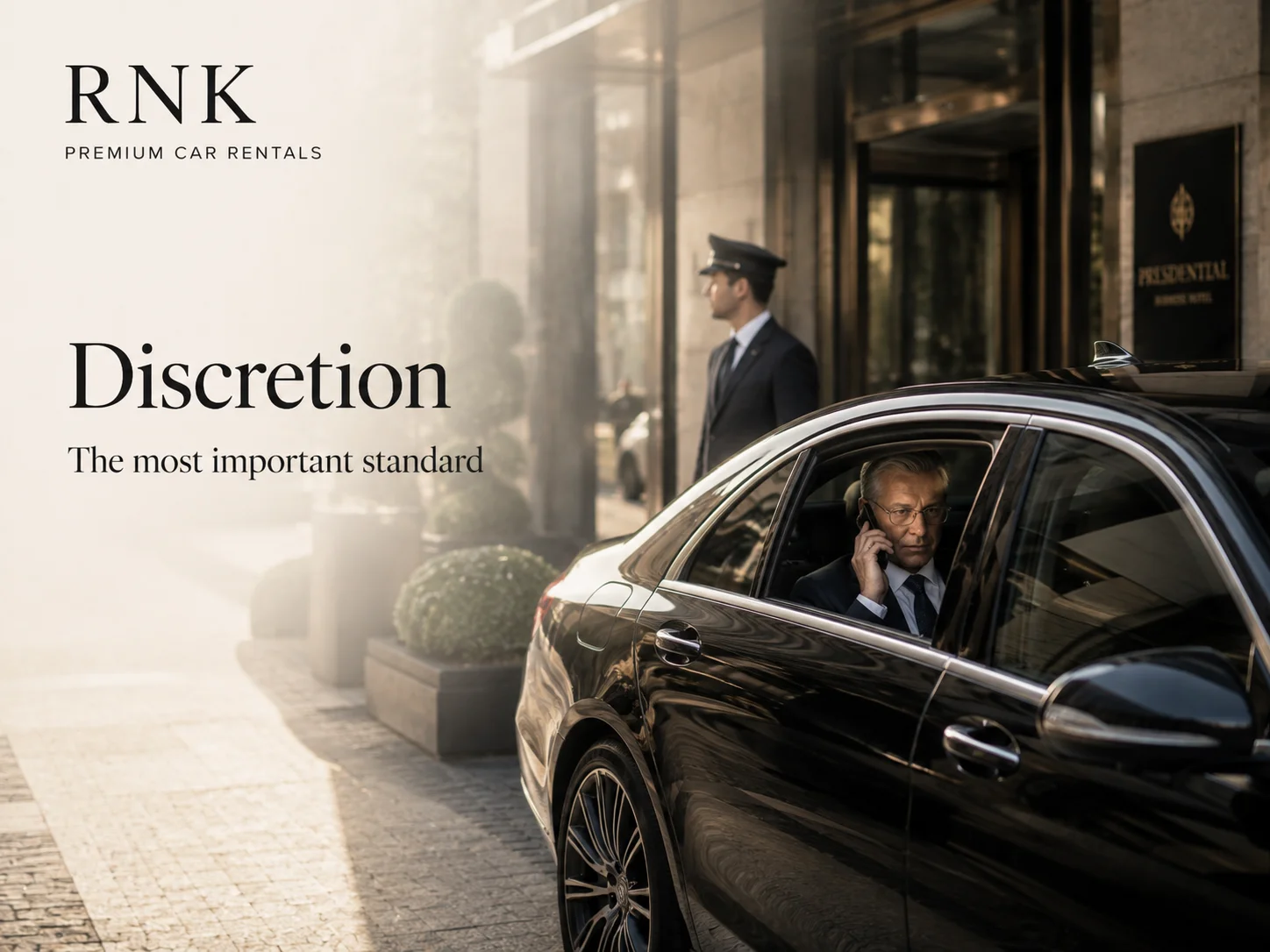
For executives discussing confidential business matters, taking sensitive calls, or simply wanting privacy during transit, driver discretion is arguably the most important etiquette standard of all — and it's one that's easy to overlook until it's missing.
This means chauffeurs trained not to engage with or repeat anything overheard during a ride, not to volunteer opinions on a passenger's business or personal conversations, and to maintain a professional distance even during longer journeys where some casual rapport might otherwise develop. Our guide on safety standards in corporate mobility and our piece on luxury car rental safety and chauffeur standards both cover the vetting and training processes that sit behind this kind of discretion standard.
Punctuality: Beyond Just Being on Time
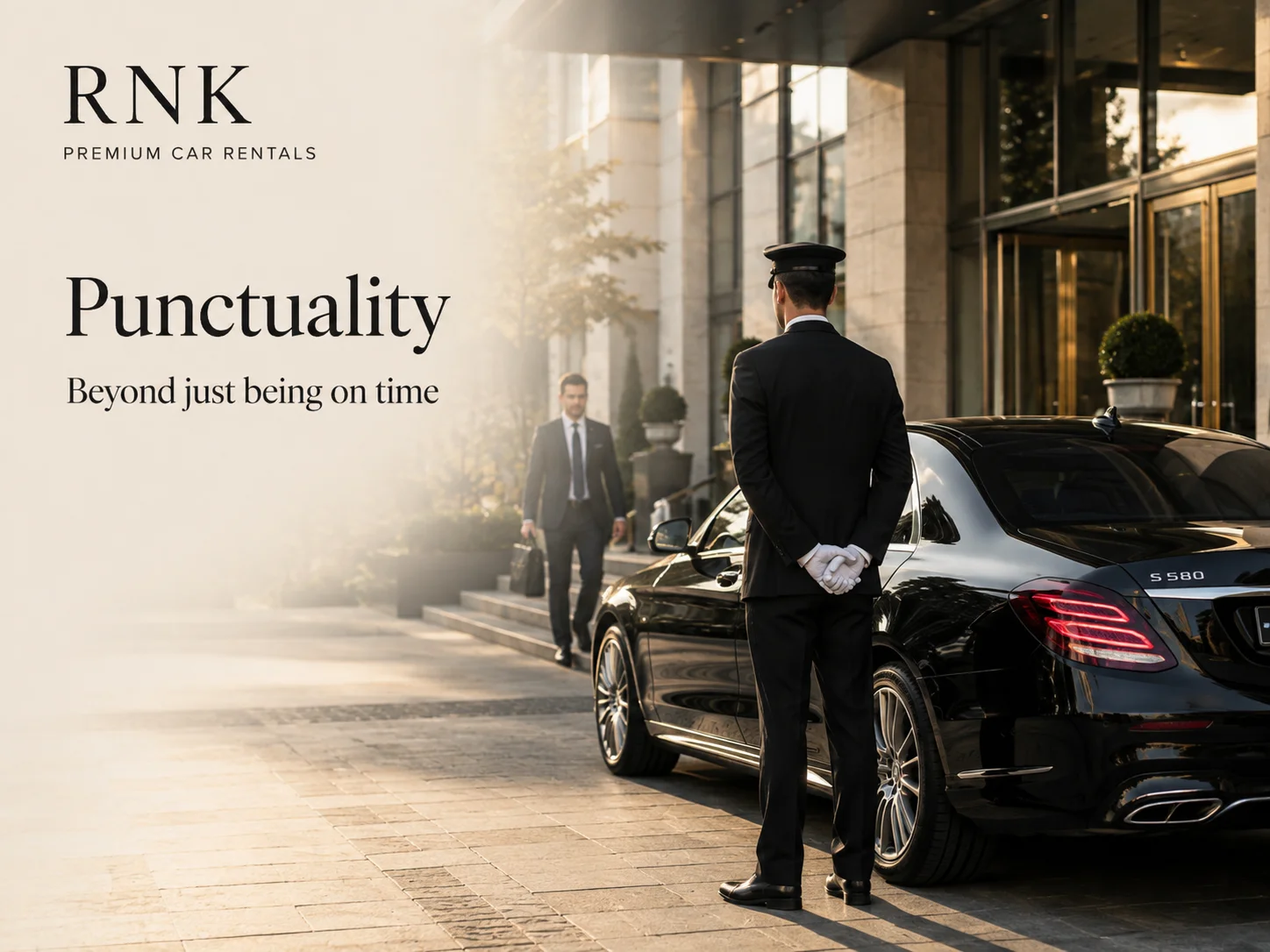
Punctuality for executive chauffeurs means more than simply arriving on schedule — it means arriving early enough to be genuinely ready when the passenger is, without being intrusive about it.
A well-trained chauffeur confirms pickup time and location in advance, arrives with buffer time to account for parking or building access, and communicates proactively if any delay is even a remote possibility, rather than leaving the passenger to wonder. Our guide on benefits of chauffeur-driven cars for executives covers why this reliability is often the single biggest value driver executives cite for choosing chauffeur service over self-driving or ride-hailing alternatives.
Communication: Knowing When to Speak and When Not To
Good chauffeur etiquette includes a genuinely underrated skill: reading the passenger's cues to know whether they want conversation, silence, or just brief, functional updates about the route or timing.
A chauffeur who talks through a call the passenger is trying to take, or who stays silent when the passenger is clearly looking to make conversation, both represent a failure of this same underlying skill. The best chauffeurs calibrate to the passenger rather than applying one fixed style to every ride, and this is a big part of what makes a service feel genuinely personalized rather than generic.
Professional Presentation and Vehicle Conduct
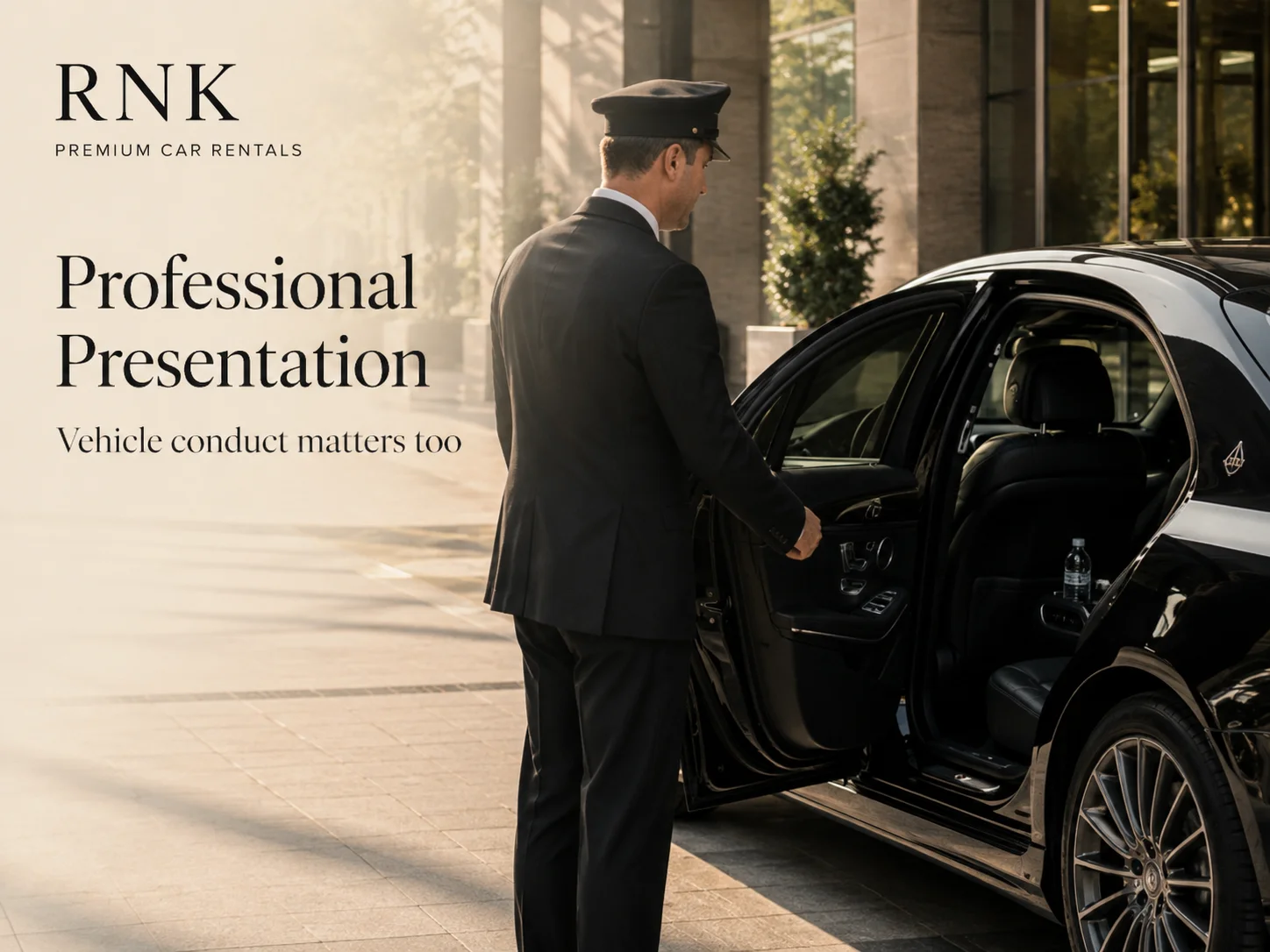
Etiquette extends beyond communication to how a chauffeur presents themselves and manages the vehicle itself — formal attire appropriate to a business context, a clean and well-maintained vehicle interior, and small details like having water available or adjusting climate control without being asked.
Our guide on luxury cars for CXOs and board members touches on how these details compound with vehicle choice to create the overall standard senior executives expect, and our Mercedes E-Class and Mercedes S-Class fleet pages reflect the vehicle side of this same standard.
Handling Sensitive or High-Profile Passengers
For VIP guests, celebrities, or senior executives who may be recognized publicly, chauffeur etiquette takes on an added dimension — managing public attention, understanding when and how to assist without drawing unwanted notice, and maintaining composure in situations that might otherwise be disruptive.
Our guide on VIP and celebrity airport movements in India and our piece on celebrity-style chauffeur experiences with RNK both cover the specific standards this higher tier of etiquette requires, beyond what a standard executive transfer needs.
Etiquette Across Cultural and Business Contexts
India's business culture varies meaningfully across regions and industries, and part of good chauffeur etiquette is understanding these nuances — appropriate greetings, awareness of hierarchy when transporting a group of executives together, and sensitivity to cultural or religious observances that might affect a passenger's preferences during a trip.
This is particularly relevant for chauffeurs serving international visitors or delegations, where etiquette expectations may differ from what's typical in the visitor's home market. Our guide on international arrivals and luxury meet-and-greet in India covers some of this cross-cultural coordination in more detail.
How Companies Can Evaluate Chauffeur Etiquette Standards
For companies selecting a chauffeur service provider, etiquette standards are harder to evaluate upfront than vehicle specifications, but a few practical steps help.
Ask specifically about the training program chauffeurs go through, including any modules on discretion, communication, and cultural sensitivity — not just defensive driving. Ask for references or examples of how the provider has handled sensitive or high-profile passengers before. And where possible, request a trial ride to assess a chauffeur's conduct firsthand before committing to a standing arrangement. Our monthly corporate car rental plans guide covers how a standing arrangement can also help build consistency in chauffeur standards over time, since the same trusted pool of drivers serves the account repeatedly.
Why This Matters for Companies, Not Just Individual Travelers
Chauffeur etiquette isn't purely a personal comfort issue — for companies hosting clients, investors, or visiting executives, a chauffeur's conduct is implicitly part of how the company itself is perceived during that visit.
Our guide on how MNCs handle VIP guest transportation in India covers this exact principle — that mature companies treat chauffeur standards, including etiquette, as a genuine reflection of company image, not just a service detail.
Questions to Ask When Evaluating a Chauffeur Provider's Etiquette Standards
A few direct questions will help distinguish a provider that treats etiquette as a genuine training priority from one that treats it as an afterthought.
Ask what specific etiquette and discretion training chauffeurs receive beyond driving skills. Ask how the provider handles passenger feedback if a chauffeur's conduct falls short. Ask whether chauffeurs are matched to passengers based on the nature of the trip — for example, assigning more experienced drivers to VIP or high-profile bookings. And ask whether the same chauffeurs can be requested repeatedly for a standing corporate account, which tends to improve consistency over time.
Frequently Asked Questions
What is chauffeur etiquette, and why does it matter for executive travel? Chauffeur etiquette refers to the professional conduct standards a driver follows — discretion, punctuality, communication, and presentation — and it matters because executive travel often involves confidential conversations and work being done during transit, where a driver's conduct directly affects the experience.
What's the most important etiquette standard for executive chauffeurs? Discretion is generally considered the most important — chauffeurs need to be trained not to engage with or repeat confidential conversations overheard during a ride.
How does chauffeur etiquette differ for VIP or celebrity passengers? VIP and celebrity passengers often require additional etiquette considerations, including managing public attention and maintaining composure in situations that could otherwise be disruptive, beyond standard executive travel etiquette.
Can companies evaluate a chauffeur's etiquette before booking? Yes — asking about training programs, requesting references for how sensitive situations have been handled before, and requesting a trial ride are all practical ways to assess etiquette standards upfront.
Does chauffeur etiquette reflect on the company hosting a guest? Yes — for companies hosting clients, investors, or visiting executives, a chauffeur's conduct is implicitly part of how the company itself is perceived during that visit.
The Bottom Line
Chauffeur etiquette matters in executive travel because the vehicle is never really just transportation — it's a working environment, a first impression, and sometimes a reflection of the host company's own standards. Companies and individuals who take etiquette as seriously as vehicle choice consistently get a noticeably better executive travel experience than those who treat it as an afterthought.
Looking for chauffeur service that meets the standards your executive travel needs? Get in touch with our team to discuss your requirements, or explore our corporate car rental services to see what's available.